Common Causes Of Drain Clogs In Kitchens And Bathrooms
People searching for drain clog clearing are usually trying to remove blockages caused by debris, grease, or hair, which local contractors can efficiently clear to restore proper flow.
If you're noticing frequent drain issues in your kitchen or bathroom, understanding the common causes of drain clogs can help prevent future problems and keep your plumbing running smoothly. Property owners in the area often find that everyday habits, such as rinsing greasy foods or hair down the drain, contribute significantly to blockages. Recognizing these typical culprits can make it easier to maintain your plumbing and identify when professional drain clog clearing services might be needed to address stubborn clogs effectively.
Exploring the reasons behind drain clogs also highlights the importance of timely intervention by local contractors who specialize in drain clearing. These professionals have the tools and expertise to remove buildup caused by common causes of drain clogs in kitchens and bathrooms, helping to restore proper flow and prevent more serious plumbing issues. Keep reading to learn more about what causes these blockages and how local service providers can assist in maintaining a healthy, clog-free plumbing system.
- Drain clog clearing - needed when kitchen or bathroom drains become slow or completely blocked due to common causes of drain clogs in kitchens and bathrooms, with local contractors using specialized tools to remove buildup.
- Drain clog clearing - required when hair, soap scum, or food debris accumulate in drains, and service providers employ techniques like snaking or hydro-jetting to restore flow.
- Drain clog clearing - essential when grease or grease buildup causes persistent clogs in kitchen sinks, with local pros applying targeted cleaning methods to break down stubborn blockages.
- Drain clog clearing - necessary when foreign objects such as jewelry or small items accidentally fall into drains, prompting local contractors to carefully extract obstructions without damaging pipes.
- Drain clog clearing - needed when mineral deposits or hard water buildup restrict drainage in bathrooms, with service providers utilizing specialized equipment to clear and prevent future clogs.
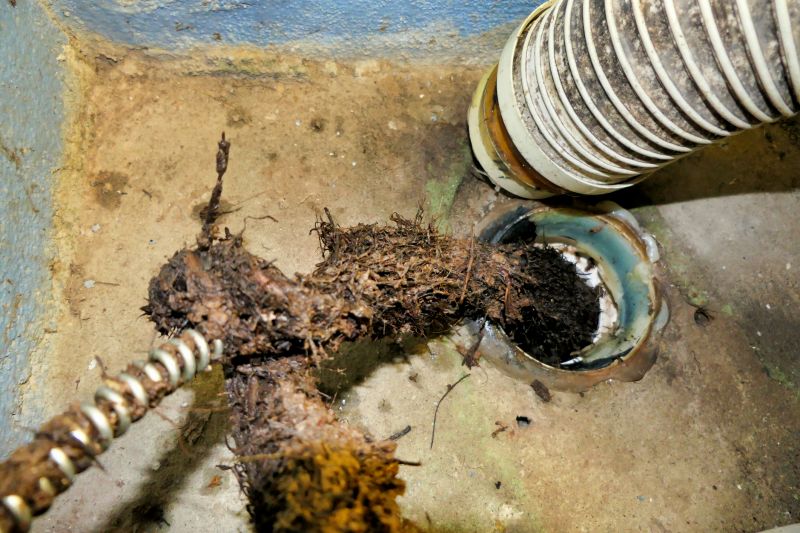
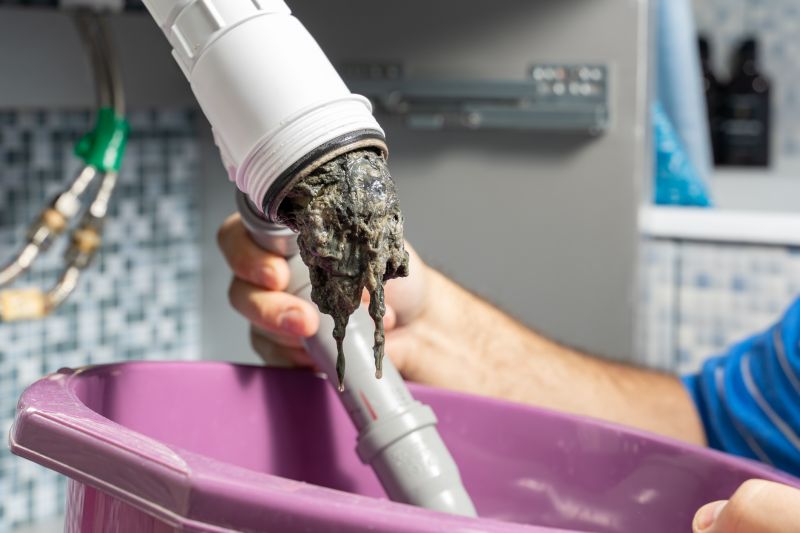
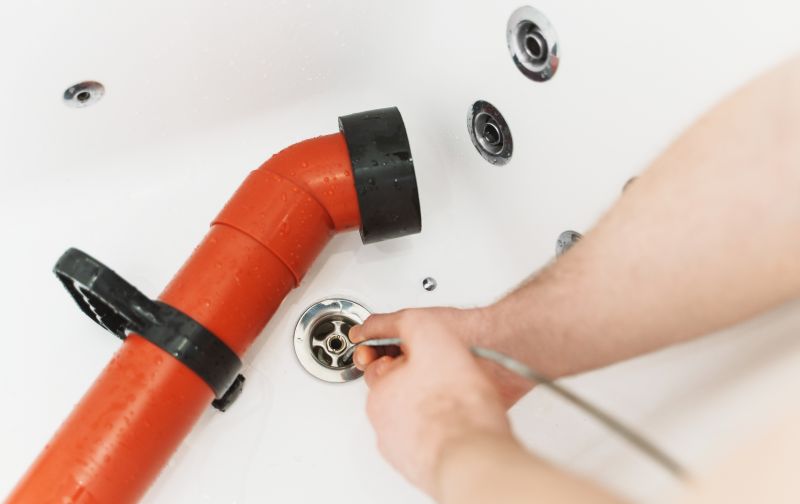
When people search for common causes of drain clogs in kitchens and bathrooms, they are often trying to understand why their sinks, showers, or tubs are backing up or draining slowly. These searches typically relate to ongoing plumbing issues that disrupt daily routines and require professional attention. Homeowners may be experiencing frequent clogs, foul odors, or water pooling, which can indicate underlying problems that need to be addressed. Understanding the root causes helps them plan for repairs or maintenance, and it highlights the importance of working with service providers who specialize in drain clearing and plumbing repairs.
Drain clogs in kitchens and bathrooms are usually caused by a combination of everyday habits and accumulated debris. In kitchens, grease, oil, and food particles are common culprits that solidify and stick to pipes over time. Bathroom drains often clog due to hair, soap scum, and mineral buildup, especially in areas with hard water. Other frequent causes include foreign objects accidentally dropped into drains, such as jewelry or small toys, and the buildup of mineral deposits from hard water that can narrow pipe interiors. Recognizing these causes helps homeowners understand the importance of regular drain maintenance and the role local drain clearing professionals play in resolving these issues efficiently.
The types of properties most often affected by drain clogs in kitchens and bathrooms include single-family homes, apartment complexes, and multi-unit residential buildings. Older properties tend to experience more frequent issues due to aging pipes and accumulated mineral deposits. Newer homes may also encounter clogs if maintenance routines are neglected or if improper items are disposed of down the drain. Commercial properties, such as restaurants and hotels, can face similar problems but on a larger scale, often requiring specialized equipment and expertise. Connecting with local service providers ensures that property owners can access the appropriate drain clearing solutions tailored to their specific plumbing setup and property type.
Understanding the common causes of drain clogs in kitchens and bathrooms helps homeowners recognize when professional drain clearing services are needed. Whether due to grease buildup, hair accumulation, or foreign objects, these issues often require the expertise of local contractors who have the right tools and experience to clear stubborn blockages. Regular maintenance and prompt attention to slow-draining fixtures can prevent more serious plumbing problems down the line. By working with qualified drain clearing professionals, property owners can keep their plumbing systems functioning smoothly and avoid the inconvenience and potential damage caused by persistent clogs.
Plumbing Repair Projects - These projects involve diagnosing and fixing plumbing issues that often contribute to drain clogs, requiring similar troubleshooting skills as drain clearing services.
Kitchen and Bathroom Renovations - Renovation work includes planning and installing new plumbing fixtures, which can help prevent or address common causes of drain clogs in these areas.
Pipe Inspection and Diagnostics - Using specialized tools to identify blockages or pipe damage aligns with the skills needed for effective drain clog clearing in kitchens and bathrooms.
Fixture Installation Services - Installing sinks, disposals, or toilets involves understanding drainage systems, making these projects related to maintaining clear drains.
Drain Maintenance and Cleaning - Regular cleaning and maintenance services help prevent buildup that causes common causes of drain clogs in kitchens and bathrooms.
Leak Detection and Repair - Identifying leaks can prevent water buildup that leads to clogs, making leak repair projects relevant to drain clog issues in residential plumbing.
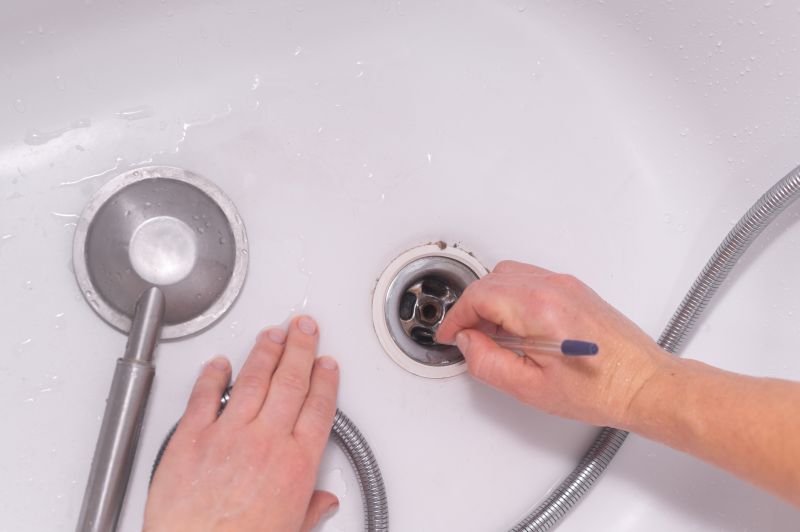
When evaluating service providers for drain clog clearing, it’s important to consider their experience with similar projects. Local contractors who have handled drain issues in kitchens and bathrooms are likely familiar with common causes of drain clogs, such as grease buildup, hair accumulation, soap scum, or mineral deposits. An experienced professional can identify potential underlying issues quickly and recommend appropriate solutions, reducing the risk of recurring problems. Asking about their past work related to kitchen and bathroom drains can provide insight into their familiarity with these specific challenges and their ability to handle the complexities involved.
Clear written expectations are essential when comparing local service providers. Homeowners should seek contractors who can explain the scope of the work, the methods they plan to use, and any potential limitations or additional services that might be necessary. This transparency helps prevent misunderstandings and ensures that both parties are aligned on the project’s goals. Reputable providers often outline their process upfront, giving homeowners confidence that the drain clog clearing will address the most common causes of drain issues effectively and efficiently.
Good communication is a key factor in selecting a dependable local contractor. Service providers who are responsive and willing to answer questions about common causes of drain clogs in kitchens and bathrooms demonstrate professionalism and a commitment to customer understanding. Clear communication also facilitates discussing expectations, potential troubleshooting steps, and follow-up care if needed. Homeowners should look for contractors who are approachable, provide thorough explanations, and are open to discussing any concerns related to drain maintenance or recurring clogs, ensuring a smoother service experience overall.
Property owners often search for common causes of drain clogs in kitchens and bathrooms when they are planning practical projects around their homes and businesses. Local pros provide Drain Clog Clearing services for everyday jobs and straightforward project options.
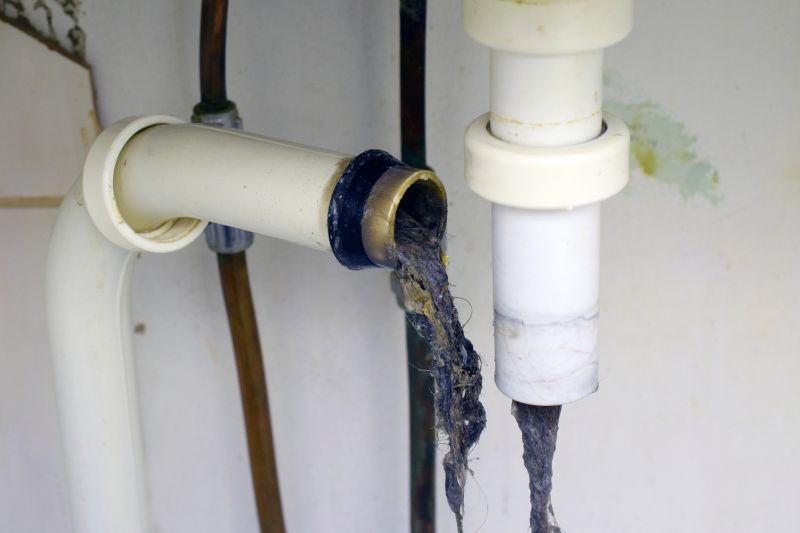
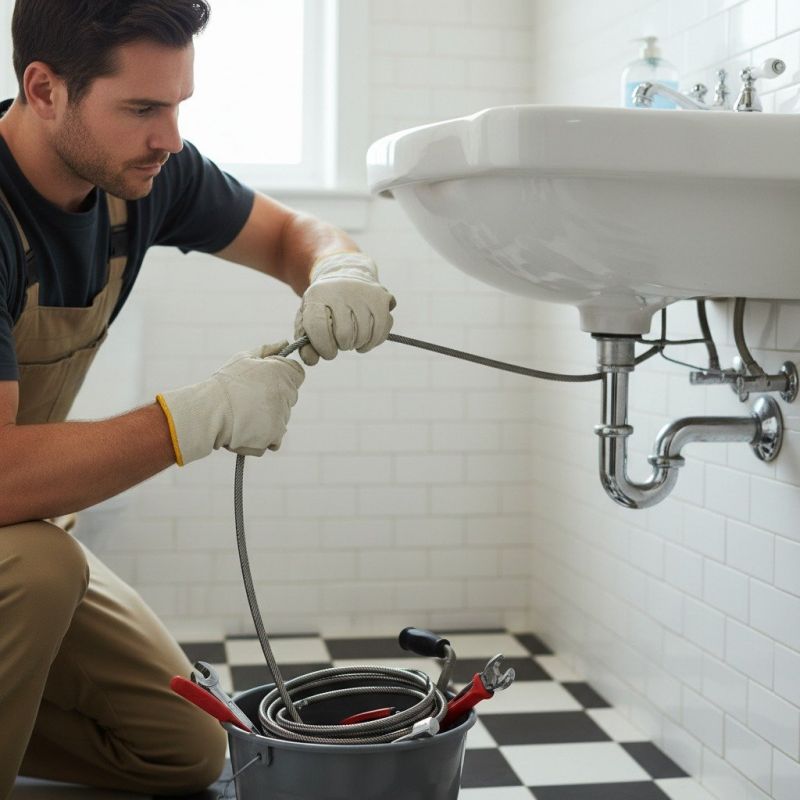
Understanding the common causes of drain clogs in kitchens and bathrooms can help property owners recognize potential issues before they become major problems. In kitchens, grease buildup from cooking oils, food debris, and soap scum are frequent culprits that can gradually block pipes. Bathrooms often face clogs caused by hair, soap residue, and mineral deposits from hard water, which can accumulate over time and restrict water flow. Recognizing these everyday sources of blockages can prompt property owners to seek the assistance of local contractors who specialize in drain clearing services, ensuring that these common issues are addressed efficiently.
Many property owners look up this topic because they want to prevent recurring drain problems or resolve existing clogs quickly. Simple household habits, such as disposing of food scraps properly or using drain screens to catch hair, can reduce the likelihood of clogs. When these measures aren’t enough, professional drain clearing services provided by local contractors can effectively remove stubborn blockages caused by everyday causes. Connecting with experienced service providers ensures that drain issues are handled safely and thoroughly, helping maintain smooth plumbing operation in homes and businesses alike.
What are common causes of drain clogs in kitchens and bathrooms? Common causes include buildup of grease, soap scum, hair, food particles, and mineral deposits that can accumulate over time and block pipes.
How does hair contribute to drain clogs in bathrooms? Hair often tangles with soap residue and debris, creating obstructions that can cause slow drainage or complete blockages in bathroom drains.
Can food waste cause kitchen drain clogs? Yes, food particles, especially grease and starchy foods, can solidify or stick to pipe walls, leading to clogs in kitchen drains.
What role do mineral deposits play in drain clogs? Hard water minerals like calcium and lime can accumulate inside pipes, narrowing the passage and contributing to slow draining or clogs.
When should a professional drain clearing service be contacted? A drain clearing service should be contacted when clogs persist despite basic efforts or when buildup appears to be caused by complex or recurring issues that require specialized tools from local contractors.
Preventative disposal practices - property owners can learn proper disposal techniques for kitchen grease and bathroom hygiene products to reduce blockages and ensure smooth drainage with help from local contractors.
Regular drain inspections - scheduling routine inspections can identify early signs of buildup or debris that might cause clogs, allowing local pros to perform preventative cleaning services.
Proper hair and debris management - installing screens or strainers can catch hair, soap scum, and food particles, making it easier for local service providers to clear minor blockages before they worsen.
Addressing plumbing issues promptly - recognizing signs of slow drains or backups can prompt timely intervention by local pros to prevent minor issues from developing into major clogs.
If you are thinking about common causes of drain clogs in kitchens and bathrooms for a property, this guide is meant to help you understand this topic, the typical project types, and how different options might fit your plans.
When you are ready, you can use the quote form on this page to share a few details about your project. From there, local pros can review the basics and follow up with options that match what you have in mind.